
Health & Wellness, Lifestyle, Physical Activity, Seasonal & Holidays
Family Sun Safety Tips for Australian Summer: Protecting Kids from UV Rays
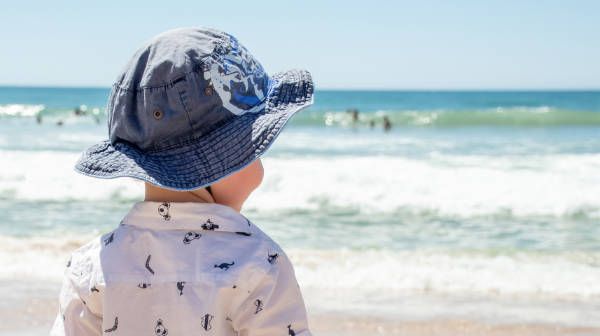
Did you know Australia has one of the highest skin cancer rates in the world? According to the Cancer Council, around two in three Australians will be diagnosed with skin cancer by age 70. As temperatures soar and school holidays approach, it’s crucial for Aussie families to understand how to protect their loved ones from harmful UV exposure. This guide walks you through practical, research-backed strategies to keep your family safe and sun-smart all summer long.
Preparing for the Australian Summer: Family Sun Safety
With summer definitely arriving, I’ve been thinking a lot about how we Aussies need to be extra vigilant about sun protection. As someone who’s lived through 38 scorching summers (and counting!), I’ve learned a thing or two about keeping the family protected from our harsh sun.
Actually, I should probably mention that my family has experienced firsthand the consequences of inadequate sun protection. My dad had several skin cancers removed in his 60s – all from those years working outdoors when “slipping on a shirt” wasn’t something anyone talked about. It’s made me pretty passionate about making sure my own kids don’t repeat those mistakes.
So let’s dive into everything you need to know about keeping your family sun-safe this summer. Trust me, your future self (and skin) will thank you!
Understanding UV Rays and Skin Damage
You’ve probably heard about UV rays, but do you really understand what they are and how they affect your skin? I didn’t fully grasp it until I attended a SunSmart workshop at my daughter’s primary school a few years back.
UV radiation is essentially energy from the sun that reaches us in invisible waves. There are two main types that cause skin damage: UVA and UVB. UVA penetrates deep into the skin and causes premature aging (think wrinkles and leathery skin), while UVB is primarily responsible for sunburn. Both types contribute to skin cancer risk.
Here in Australia, we cop some of the highest UV levels in the world. Why? We’re close to the equator, have relatively clean air, and that pesky hole in the ozone layer doesn’t help matters. During summer in most parts of Australia, the UV index regularly exceeds 11 – that’s extreme!
Important: UV radiation can damage your skin even on cloudy days. It’s not the heat that causes sunburn, it’s the UV rays – which means you can get severely sunburned even when it’s cool outside.
The most dangerous times for UV exposure are typically between 10am and 4pm, especially during the summer months. I’ve learned this the hard way after getting absolutely fried at my niece’s 11am birthday party in the park last January. I thought the scattered clouds would protect me, but nope – I was red as a lobster by dinnertime!
For kids, the risks are even more serious. Children’s skin is thinner and more sensitive than adult skin, meaning they burn more easily. And here’s the scary bit – sunburn during childhood significantly increases the risk of developing skin cancer later in life. The Cancer Council says that just one severe sunburn can increase a child’s risk of melanoma by 50%. Frightening, isn’t it?
You can check the daily UV forecast for your area on the Bureau of Meteorology website. I’ve got it bookmarked on my phone and check it as routinely as I check the weather forecast. When the UV index is 3 or higher (which is pretty much every day during an Aussie summer), sun protection is essential.
Choosing the Right Sunscreen for the Whole Family
Walking down the sunscreen aisle at Woolies or Chemist Warehouse can be overwhelming. There are so many options! But understanding a few basics will help you make smart choices.
First things first: SPF. This stands for Sun Protection Factor, and it tells you how much protection the sunscreen offers against UVB rays. In Australia, we’re recommended to use SPF50+ sunscreen, which blocks about 98% of UVB radiation when applied correctly. The “+” means it exceeds SPF50.
But here’s something many people don’t realize – SPF only refers to UVB protection. For complete protection, you need a “broad-spectrum” sunscreen that guards against both UVA and UVB rays. Always check the label to make sure it says “broad-spectrum.”
When it comes to kids, especially those with sensitive skin, I’ve found that mineral-based sunscreens containing zinc oxide or titanium dioxide tend to be gentler. My youngest used to break out in a rash with regular sunscreens until we switched to a zinc-based one. It’s a bit thicker and leaves more of a white cast, but I’ll take that over irritated skin any day!
Application is where most of us go wrong. Did you know that most people use only 1/4 to 1/2 of the amount of sunscreen they should? For an adult, you need about a teaspoon for your face and neck, and about a shot glass full for your body. Kids need proportionally less, but still more than the quick smear many of us are guilty of applying.
Important: Sunscreen should be applied 20 minutes before going outside to allow it to bind to the skin properly. Reapply every two hours, or more frequently if swimming, sweating, or toweling off.
Speaking of swimming, “water-resistant” doesn’t mean “waterproof” – no sunscreen is completely waterproof, despite what the label might suggest. After a dip at the beach or pool, you’ll need to reapply, even if the bottle claims 4-hour water resistance.
I keep sunscreen literally everywhere – in the car, in my handbag, in the kids’ school bags, by the back door. You can never have too many bottles of sunscreen lying around, I reckon! The Cancer Council has heaps of great information about sunscreen use and application if you want to learn more.
Sun-Protective Clothing and Accessories
Sunscreen is brilliant, but it’s only one piece of the sun protection puzzle. Protective clothing is honestly your first line of defense – and often easier than wrestling kids to apply sunscreen every two hours!
When looking for sun-protective clothing, the fabric and weave matter. Tightly woven fabrics in darker colors generally provide better protection than loose weaves or light colors. Many clothing items now come with a UPF (Ultraviolet Protection Factor) rating, which is essentially an SPF for fabric. Look for UPF50+ for the best protection.
Hats are non-negotiable in our family. And no, those trendy caps don’t cut it! A broad-brimmed hat that covers the face, ears, and back of the neck is what you want. The Cancer Council recommends a brim of at least 7.5cm for adults. My kids have legionnaire-style hats for school (the ones with the flap at the back), which are great for active little ones.
Don’t forget the eyes! UV radiation can cause cataracts and other eye problems. Sunglasses aren’t just a fashion statement – they’re essential protection. Make sure they meet the Australian Standard (look for AS/NZS 1067:2016 on the label) and wrap around the face for best protection. Even little ones should wear sunnies when outdoors.
For beach or pool days, rashies (or rash vests) are brilliant. These UPF-rated swim shirts have become super popular in Australia, and for good reason. They protect the shoulders, back, and chest – areas very prone to burning. My kids wouldn’t dream of swimming without their rashies now; it’s just part of their swimwear.
As for where to buy all this gear, most major retailers in Australia now stock sun-protective clothing. Places like Target, Kmart, Best & Less, and Cotton On Kids have affordable options. For more specialized items, stores like Cancer Council shops, Solbari, and Spotlight have good ranges. I picked up some fantastic UPF50+ beach shelters at BCF (Boating, Camping, Fishing) last year that have been absolute lifesavers for long days at the beach.
You can learn more about choosing the right sun-protective clothing from the SunSmart website.
Creating a Sun-Safe Outdoor Routine
Living in Australia means we’re outdoors a lot, and I wouldn’t have it any other way. But we’ve had to be smart about how and when we enjoy the outdoors, especially with kids in tow.
One of the simplest changes we’ve made is adjusting our schedule to avoid peak UV times. During summer, we try to plan outdoor activities for early morning or late afternoon. Weekend sport has become a morning affair in our household, and we save trips to the park for after 4pm when the UV levels drop. It takes a bit of planning, but it’s worth it.
Shade is your friend! Whether it’s natural shade from trees, a pergola in the backyard, or portable options like umbrellas and beach shelters, staying in the shade can reduce your UV exposure by up to 75%. That said, don’t be fooled into thinking shade provides complete protection – UV rays can reflect off surfaces like sand, water, and concrete.
We’ve gotten into the habit of taking regular shade breaks during outdoor activities. When we’re at the beach, we set a timer for 30 minutes, then everyone has to come back to the shade tent for a drink, snack, and sunscreen reapplication. It gives everyone’s skin a break from direct sun exposure and helps prevent overheating too.
Speaking of overheating, staying hydrated is crucial for sun safety. Sunburn and heat stress often go hand in hand. We freeze water bottles the night before a big outdoor day so they stay cool longer. I find my kids are much more likely to drink water if it’s cold!
Integrating sun safety into family outings takes some practice, but it becomes second nature after a while. For beach days, our checklist includes: sunscreen (applied before leaving home), hats, rashies, sunglasses, beach shelter, and plenty of water. It sounds like a lot, but it’s just part of our routine now.
You can find more tips on incorporating UV safety into your daily routines on the Healthdirect Australia website.
Teaching Kids About Sun Safety (And Making It Stick)
Getting kids to embrace sun safety can be a bit of a challenge. I mean, what 5-year-old wants to stop playing to reapply sunscreen? But starting early and making it fun has worked wonders in our family.
The earlier you introduce sun safety concepts, the better. Even toddlers can understand simple explanations like “the sun can hurt our skin if we don’t protect it.” As they get older, you can add more detail about UV rays and long-term skin damage.
Australia’s iconic “Slip, Slop, Slap, Seek, Slide” campaign is brilliant for teaching kids the five essential steps of sun protection:
- Slip on sun-protective clothing
- Slop on SPF50+ sunscreen
- Slap on a broad-brimmed hat
- Seek shade
- Slide on sunglasses
We turned this into a little song in our house, and the kids love singing it as part of their getting-ready routine. Making it fun removes the battle element.
For school-aged children, reinforcing the sun safety habits they learn at school helps a lot. Most Australian schools have “No hat, no play” policies, which is fantastic. I always make sure my kids have their hats in their bags, and we apply sunscreen before school during the hotter months. Some schools allow kids to keep sunscreen in their bags for reapplication, so check your school’s policy.
There are some great resources out there to help teach kids about sun safety. The Cancer Council has free downloadable activity sheets, and there are children’s books like “Skin” by Shaun Tan that address the topic in kid-friendly ways. The SunSmart app is also brilliant – it sends UV alerts and reminders to reapply sunscreen.
Important: Empower your children to take responsibility for their own sun protection as they get older. My 9-year-old now reminds ME to put on sunscreen sometimes!
The SunSmart Victoria website has lots of resources for teaching children about sun safety, including curriculum materials for schools.
Summer Activities and Staying Safe in the Water
Summer in Australia means water – whether it’s the beach, pool, creek, or just the sprinkler in the backyard. Water activities present unique sun safety challenges that we need to be extra mindful of.
One thing I’ve learned is that water activities can be deceptively dangerous for sunburn. The cool water temperature can mask the feeling of your skin burning, and the breeze at the beach can make you feel less hot. But UV rays reflect off water, increasing your exposure. In fact, up to 30% of UV radiation can reflect off water surfaces, meaning you’re getting hit from above AND below.
Waterproof sunscreen is essential for swimming, but “waterproof” is a bit misleading. These sunscreens are more water-resistant than truly waterproof. After swimming, toweling off, or sweating excessively, you need to reapply. I set a timer on my phone for every 2 hours when we’re at the beach as a reminder.
For longer water outings like a day at the beach, portable shade is non-negotiable. We invested in a good quality beach shelter a few years ago, and it’s been one of our best purchases. Look for one with UPF50+ rating and sides that can be adjusted as the sun moves. It provides a safe retreat for meals, rest, and sunscreen reapplication.
Some water activities expose you to more sun than others. Surfing, paddleboarding, and snorkeling keep you right on the water’s surface where UV exposure is highest. For these activities, we use maximum protection: full-body rashies, zinc-based sunscreen on exposed areas, and hats secured with straps so they don’t blow away.
A tricky balance to strike is between sun protection and getting enough vitamin D. Our bodies need some sun exposure to produce vitamin D, which is essential for bone health. The good news is that in summer, most Australians can get enough vitamin D with just a few minutes of sun exposure on either side of the peak UV period (before 10am or after 4pm). During these times, short periods without sun protection are generally okay.
If you’re concerned about vitamin D levels, especially for family members with darker skin tones who produce vitamin D more slowly, the Australian Government’s NHMRC guidelines provide good advice on balancing sun protection with vitamin D needs.
Recognising and Managing Sunburn
Despite our best efforts, sunburn sometimes happens. Knowing how to recognize it early and treat it properly can minimize the damage.
Early signs of sunburn include skin that feels warm to the touch, looks red or pink, and may be slightly painful. In children, whose skin is more sensitive, these signs might appear more quickly than in adults. My fair-skinned daughter often shows redness within 15-20 minutes of sun exposure if she’s not protected.
If you notice these early signs, get into the shade immediately and apply cool compresses. The damage is already done, but you can prevent it from getting worse. Sometimes the full extent of sunburn doesn’t show up until 6-24 hours after exposure, so what looks like mild redness might develop into a more serious burn overnight.
For managing sunburn at home:
- Keep the person well-hydrated
- Apply cool (not cold) compresses or take cool baths
- Use moisturizer containing aloe vera on the affected areas
- Give appropriate pain relief if needed (following dosage guidelines)
- Keep the sunburned areas covered with light, loose clothing when outdoors
When should you seek medical help? If the sunburn is severe (large blisters, extreme pain), covers a large area of the body, or is accompanied by fever, headache, or nausea, it’s time to see a doctor. These could be signs of sun poisoning or severe dehydration.
Children should be taught to tell an adult as soon as they start feeling any discomfort from the sun. We’ve established a no-questions-asked policy in our family – if anyone says they’re feeling too hot or their skin hurts, we head for shade immediately, no arguments.
Even without pain, sunburn causes cumulative damage to the skin. Each sunburn increases the risk of skin cancer later in life, so prevention is always better than treatment. The KidsHealth Australia website has excellent information on treating sunburn in children.
Conclusion
Preparing for an Australian summer means taking sun safety seriously. With our harsh UV conditions, it’s not just about comfort—it’s about long-term health. By understanding UV radiation, choosing the right protection methods, creating sun-safe routines, and teaching our kids good habits, we can enjoy our beautiful outdoors safely.
Remember, sun protection isn’t just for beach days. UV damage happens during everyday activities too—walking to school, playing in the backyard, or watching weekend sports. Making sun safety a year-round habit (yes, even in winter when UV can still reach damaging levels) is one of the best gifts you can give your family’s health.
What sun safety strategies work best for your family? Have you found particular products or routines that make sun protection easier? I’d love to hear your experiences and tips!
Stay sun-safe, Australia!
Final Thoughts
Most sunscreens have a shelf life of about 3 years, but this decreases once opened. Check the expiration date, and if your sunscreen changes color or consistency, it’s time to replace it. I write the purchase date on our bottles with a permanent marker.
Planning for an Aussie summer means more than packing swimmers and snacks—it requires building daily sun-safe habits that protect the whole family. From choosing the right SPF to teaching kids to Slip, Slop, Slap before play, these simple but crucial steps reduce the risk of sunburn and long-term skin damage. By making sun safety second nature, you’re ensuring a safe, healthy, and happy summer for years to come.
Stay informed—Bookmark the SunSmart UV Alert app and encourage your family to join your sun safety mission this summer.
More Information
